Dubai is unlike most destinations in the Gulf: a coastal, commercial and desert city where you can move from an old souk to the Burj Khalifa, from the beach to a rooftop, or from a shopping mall to the dunes in the same day. To explore it properly, you need to understand its neighbourhoods, distances and climate. This guide helps you decide where to stay, what to do, when to visit, how to get around and what budget to expect.
Best areas to stay in Dubai
Downtown Dubai
Downtown brings together the Burj Khalifa, Dubai Mall, the fountains and a wide choice of restaurants. It works well for a first stay, although reaching the beach requires a separate journey.
Dubai Marina and JBR
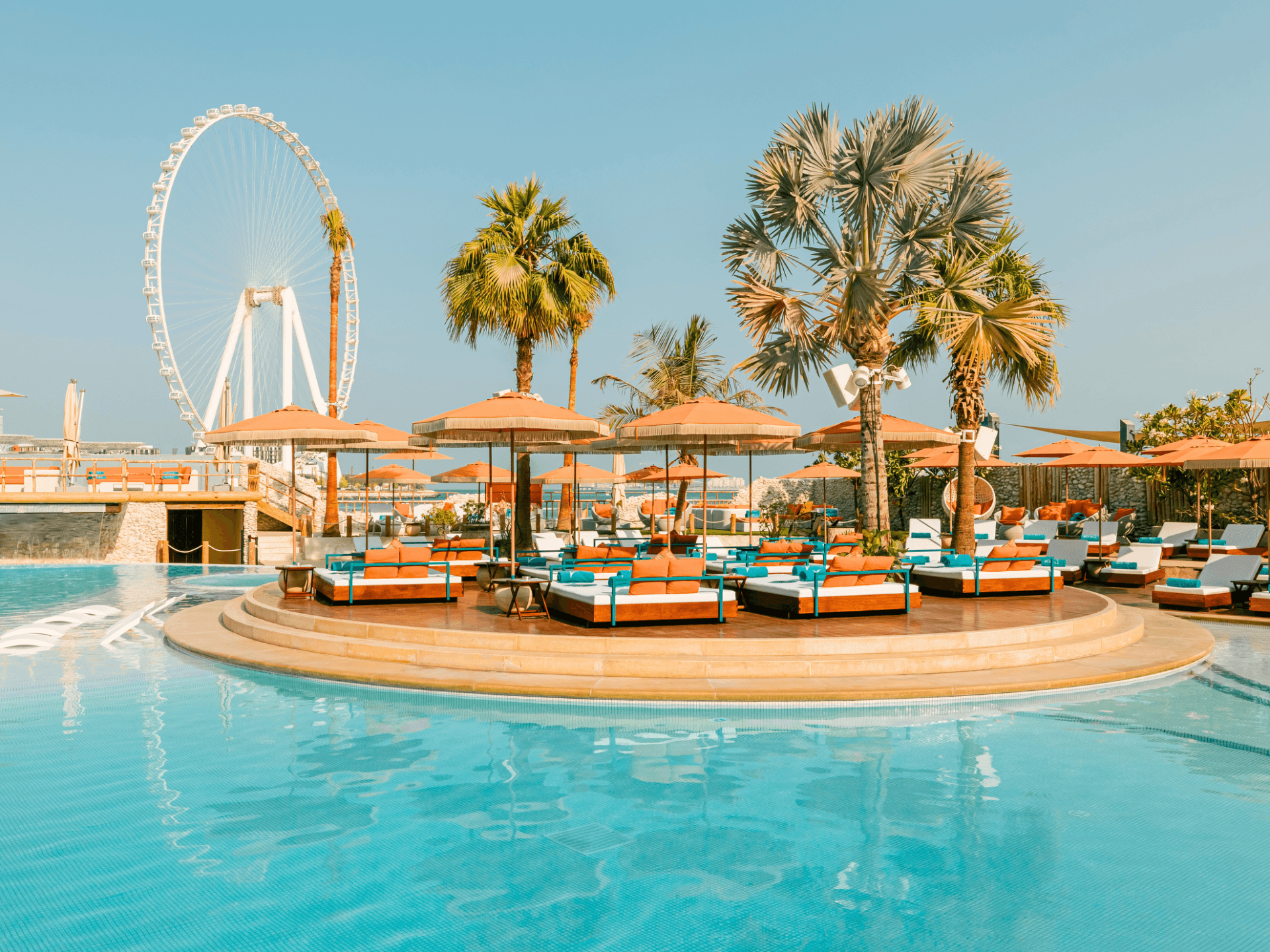
Dubai Marina and JBR are well suited to travellers who want to combine the beach, restaurants, waterfront walks and nightlife. The area is also one of the easiest parts of Dubai to explore on foot.
Palm Jumeirah
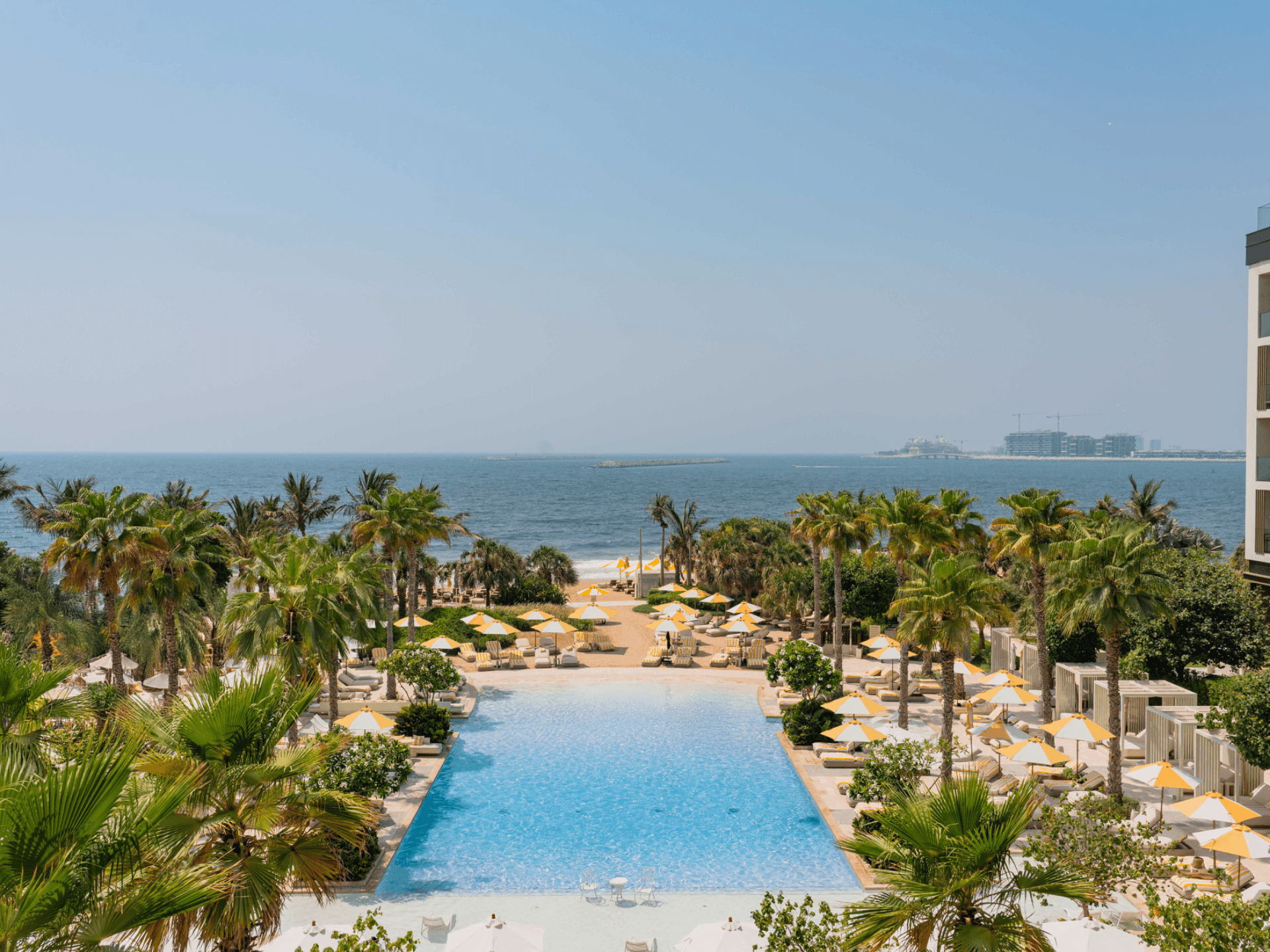
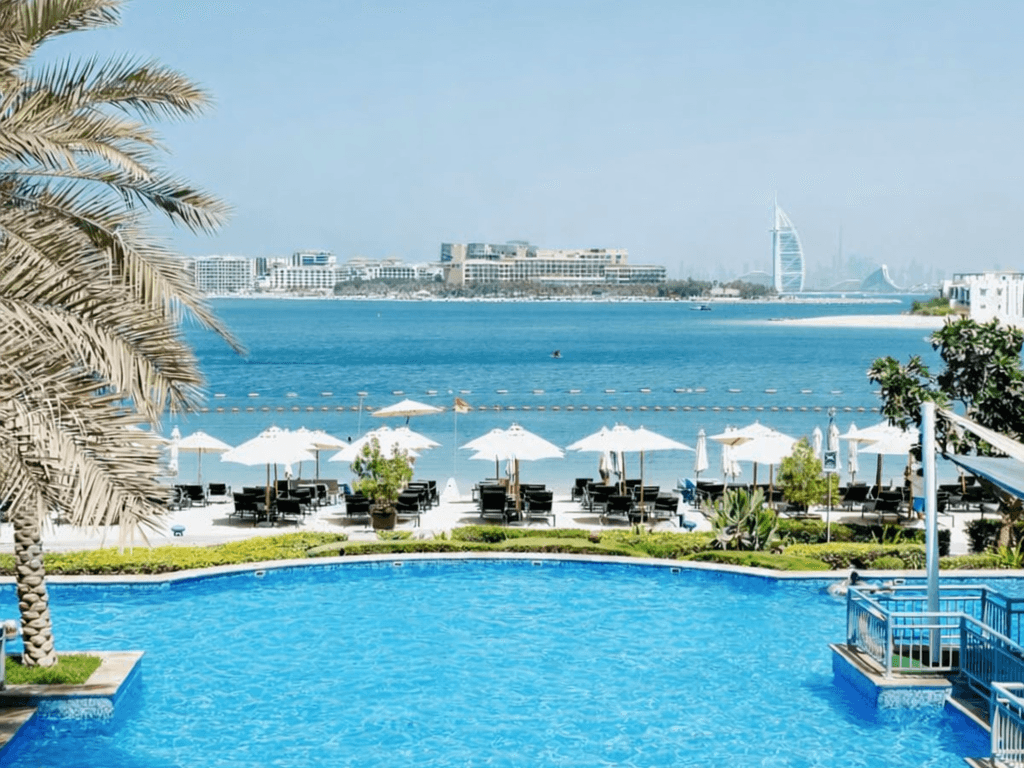
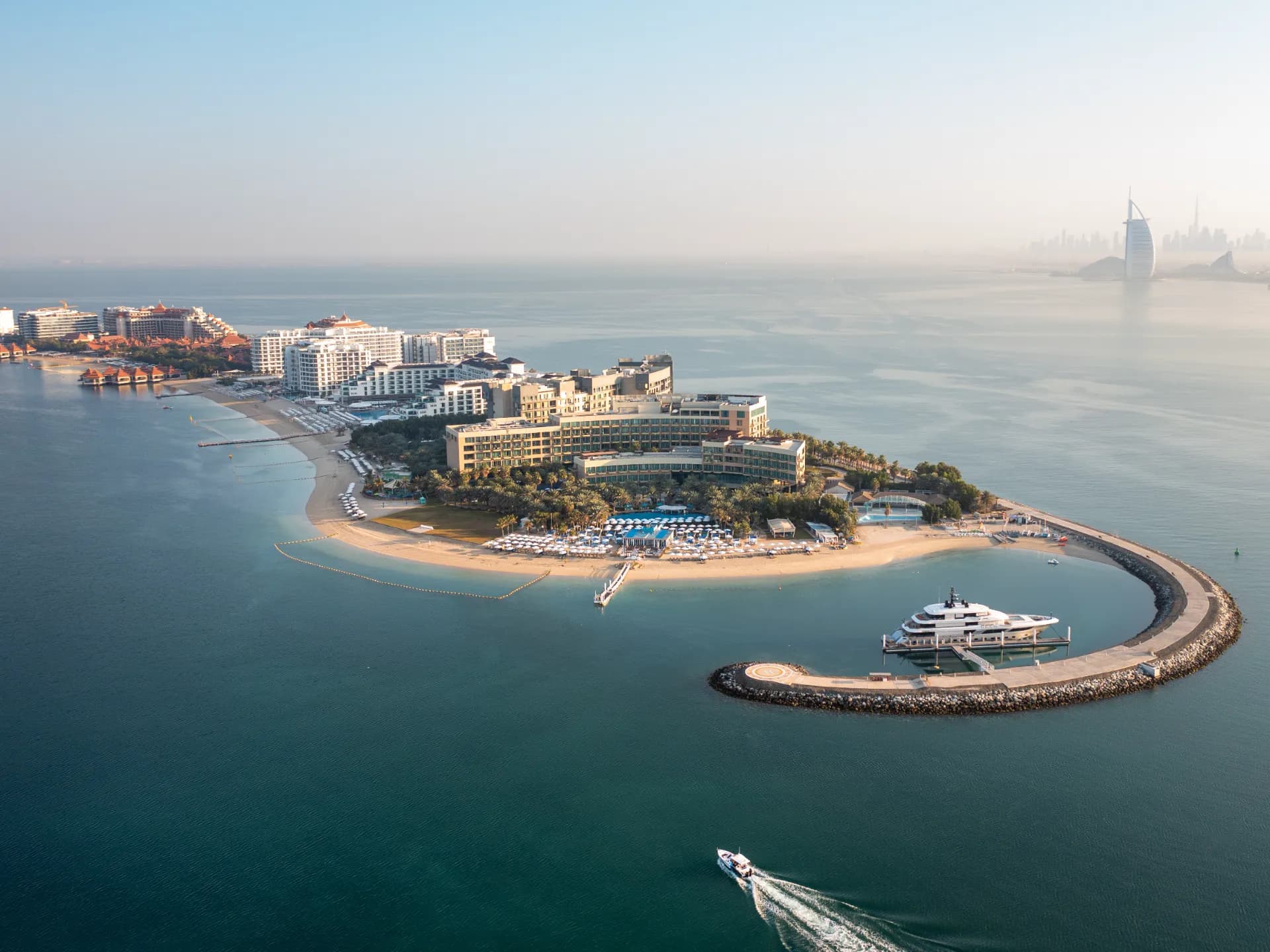
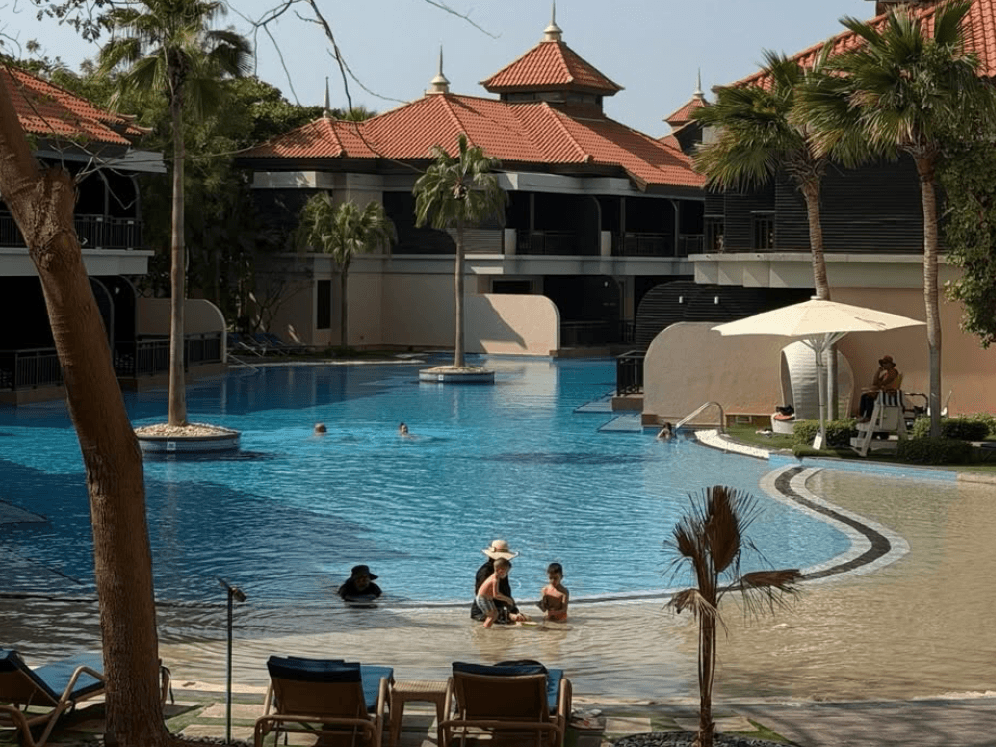
Palm Jumeirah is ideal for stays focused on the beach, swimming pools and resort comfort. The trade-off is that taxis or ride-hailing services are often needed to reach other parts of the city.
Deira, Bur Dubai and Old Dubai
Around Dubai Creek, Deira and Bur Dubai offer souks, traditional abras and older commercial streets. The Al Fahidi Historical Neighbourhood, also known as Al Bastakiya, reveals a very different side of Dubai from its modern districts.
Jumeirah
Jumeirah offers a good balance between city and sea. The area includes Madinat Jumeirah, with its waterways, restaurants and views of the Burj Al Arab, making it a useful base for combining sightseeing with time by the coast.
What to do in Dubai
Burj Khalifa, Dubai Mall and Downtown
The Burj Khalifa remains Dubai’s most recognisable landmark. A visit pairs naturally with Dubai Mall, the fountains and dinner in Downtown, making it easy to dedicate half a day or an evening to the area.
Dubai Creek and the souks
Deira, Bur Dubai and Dubai Creek show a different side of the city. The gold and spice souks, abra crossings and older trading streets provide a strong contrast with Dubai’s towers and large resorts.
The desert
The desert deserves a dedicated half-day or evening, whether for a 4x4 safari, sunset, dinner at a desert camp or an early-morning experience. It is better treated as a main activity rather than squeezed into an already busy city day.
Beaches, sea and downtime in Dubai
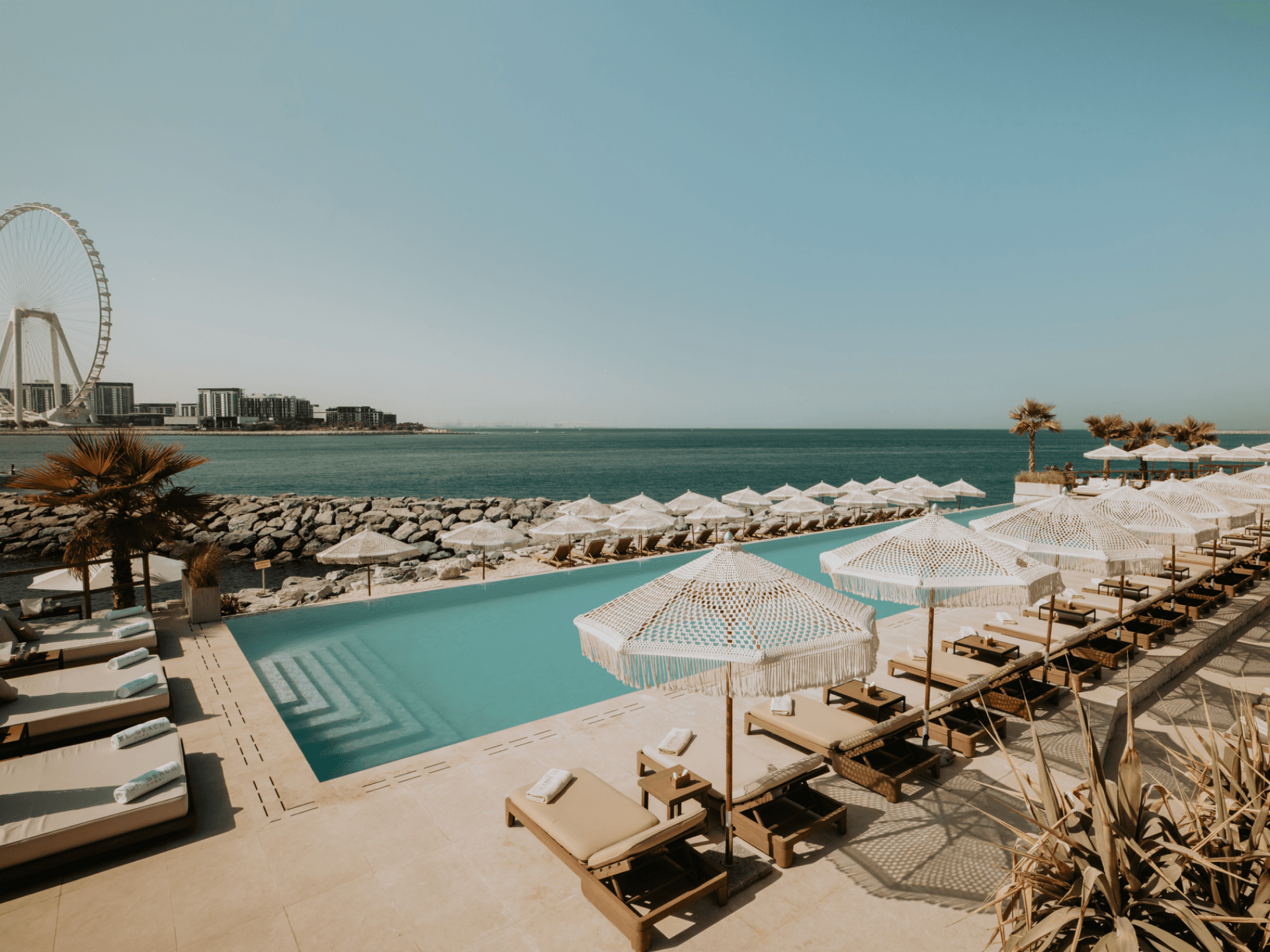
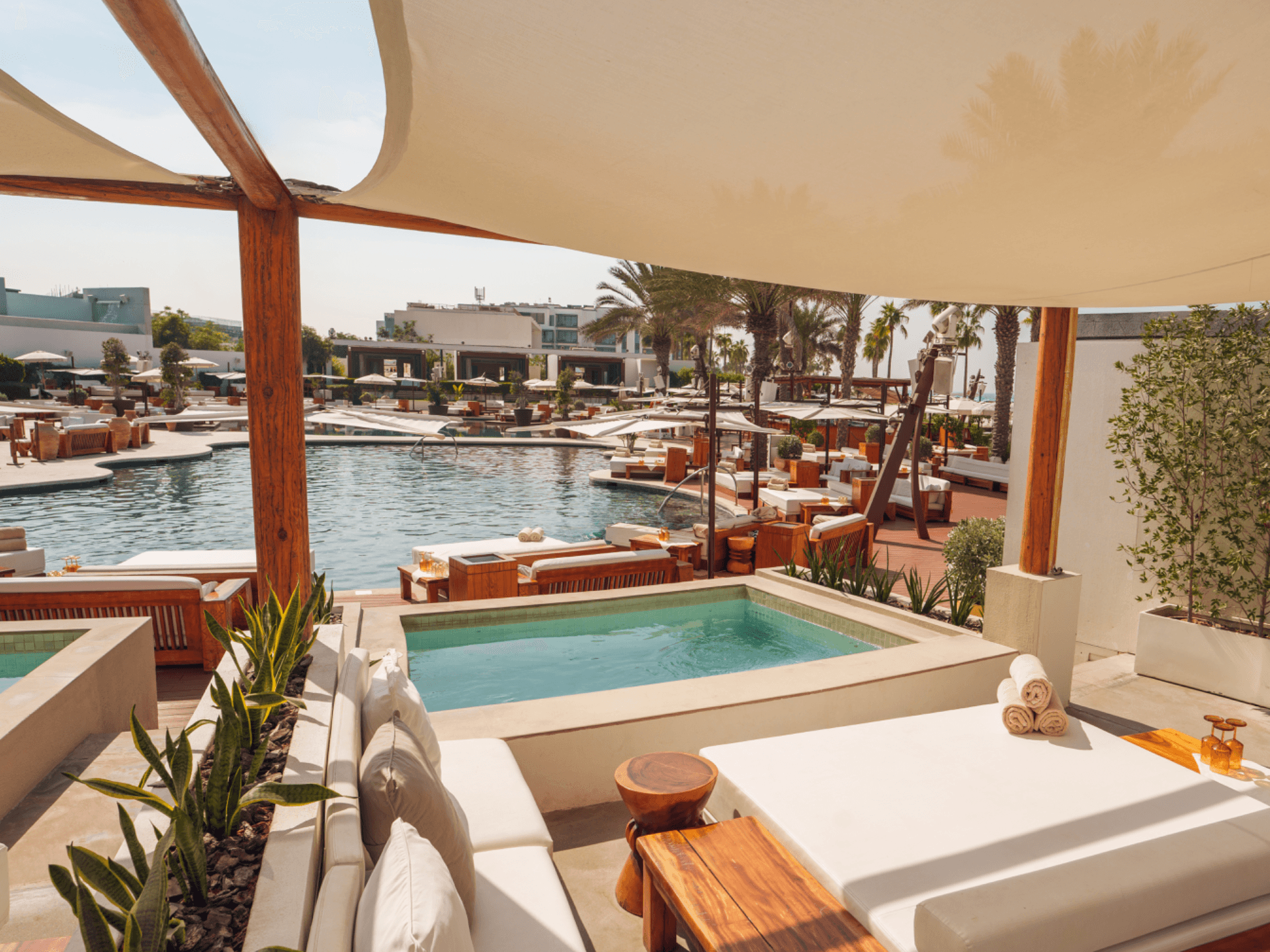
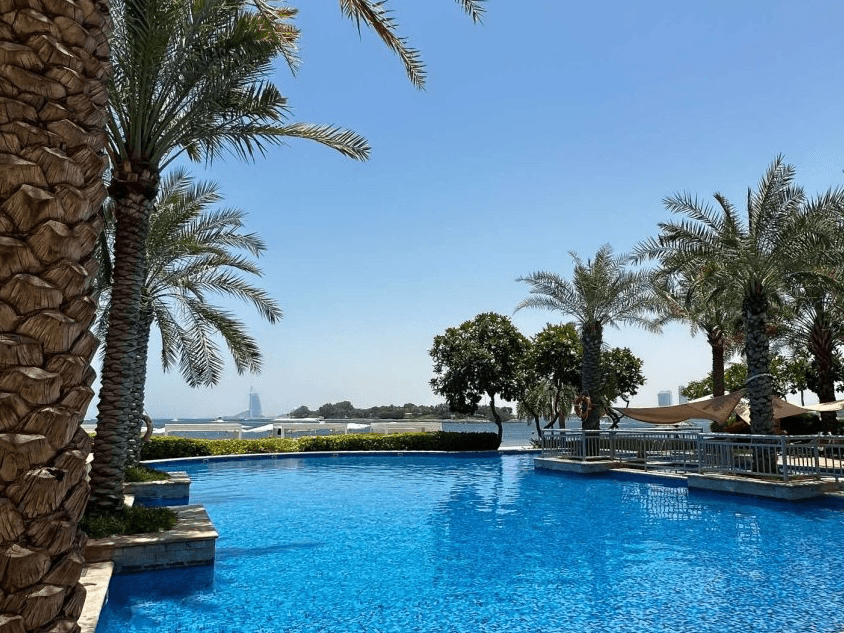
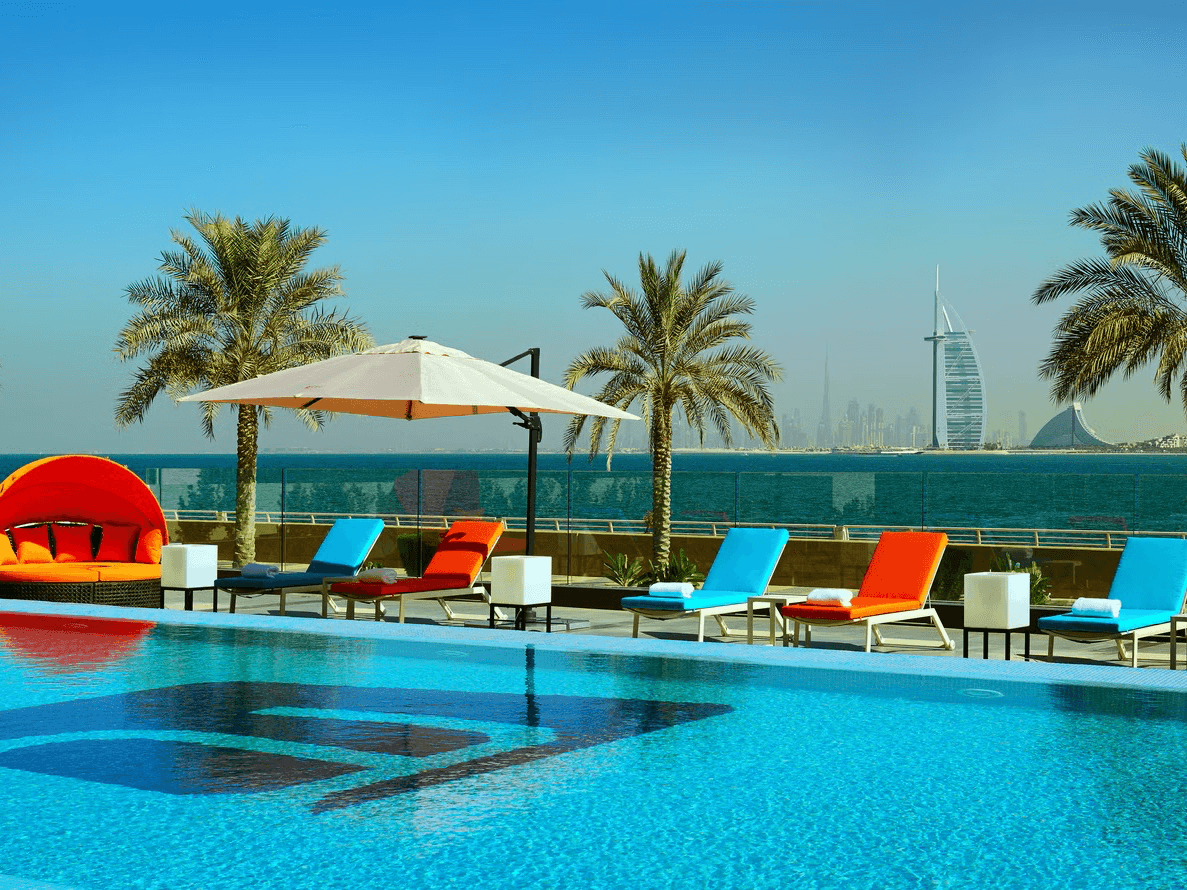
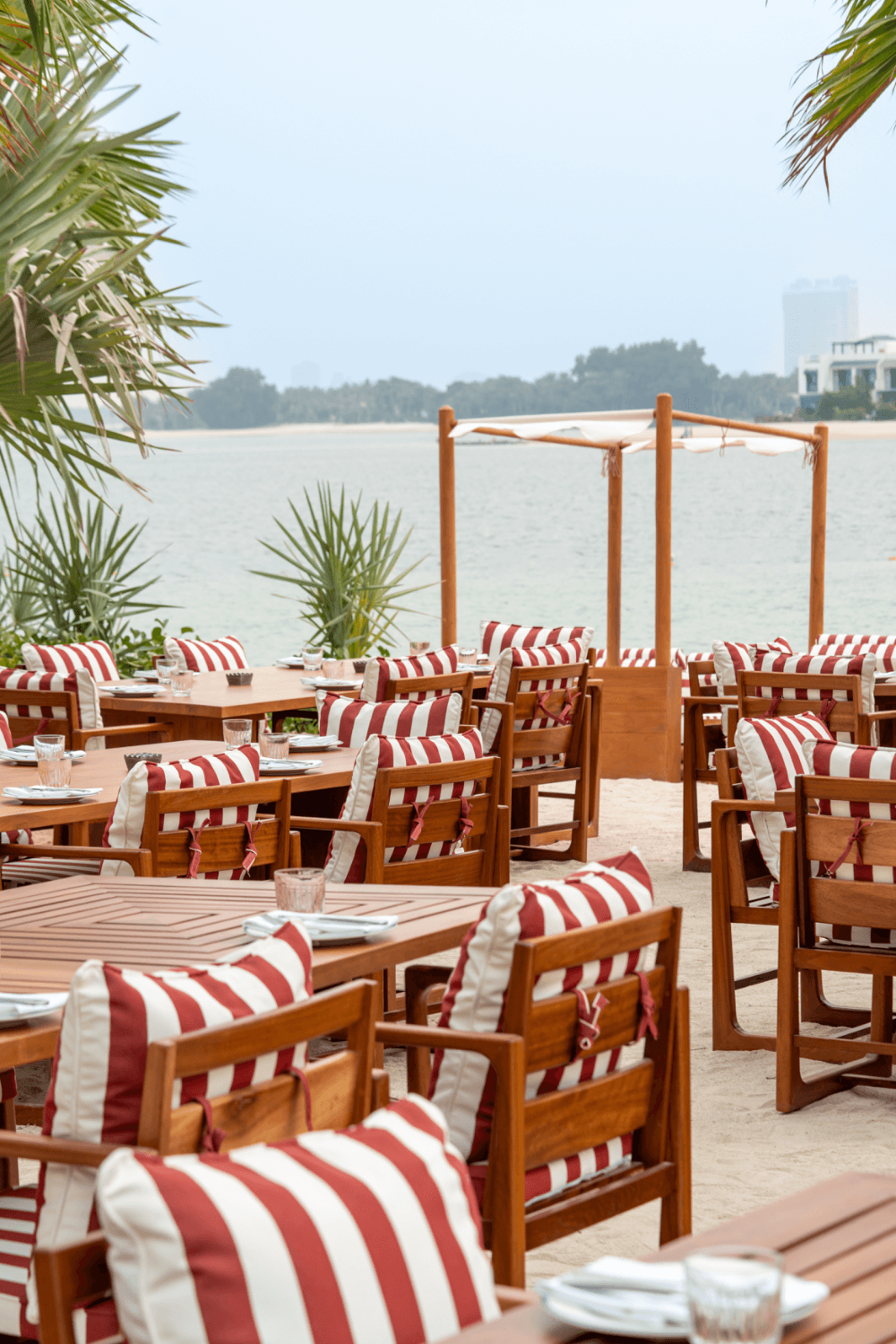
A public beach works well for a simple break, while a pool day pass in Dubai offers more hotel-style comfort. A beach club in Dubai is better suited to travellers looking for dining, music or a more social atmosphere by the sea. On a first trip, it is usually better to treat the beach or pool as a genuine half-day of downtime rather than a quick stop between attractions.
When is the best time to visit Dubai?
The most comfortable period is generally from November to April. May and October can also work well depending on your tolerance for heat.
From June to September, heat and humidity become much more intense. Some venues shorten their opening hours, close temporarily or adapt their programming during summer. For pool days, prioritise places with shade, nearby air-conditioned areas and temperature-controlled pools where available.
How many days do you need in Dubai?
- 3 days: Downtown, Marina/JBR and a first taste of either the desert or the beach.
- 4 to 5 days: add Deira, Dubai Creek, Old Dubai and a proper half-day by the water.
- One week: combine sightseeing, beach time, shopping and relaxation, with the option of a trip to Abu Dhabi.
Getting around Dubai
Dubai covers large distances. The metro is modern and practical along the main city corridor, particularly Sheikh Zayed Road, but it does not directly serve every resort, beach or venue on Palm Jumeirah.
Taxis, Uber and Careem make up the difference. To reduce unnecessary travel, group activities by area: keep Downtown together, combine Marina with JBR and Bluewaters, and treat Palm Jumeirah as a half-day or full-day plan.
How much should you budget in Dubai?
Spending varies considerably depending on the area, season and level of comfort. These figures were checked in October 2026. Euro conversions use a rounded rate of €1 to 4.1 AED. Unless stated otherwise, amounts are per person and exclude flights and accommodation. Taxi fares are charged per journey.
- Simple meal or affordable restaurant: around 20 to 80 AED, approximately €5 to €20.
- Metro: generally 3 to 7.50 AED with a Nol Silver card, depending on the number of zones travelled.
- Taxi: street-hail pickup starts at around 5 to 5.50 AED, while app bookings generally start between 9 and 13 AED depending on the time of day. The standard fare then runs at about 2.23 AED per kilometre, excluding possible Salik tolls and waiting time.
- Pool day pass or beach club: many options fall between 100 and 300 AED per adult, while high-end resorts can reach 600 to 700 AED or more.
Accommodation remains the most variable expense. Deira and Bur Dubai are generally more affordable than Palm Jumeirah or Downtown, but rates change significantly with the season and major events.
Practical tips and local rules
Beachwear is appropriate at hotels, pools and beach clubs. In malls, traditional neighbourhoods and public buildings, more modest clothing is generally more suitable.
Alcohol is available in many licensed hotels, restaurants, bars and venues, but drinking in public spaces outside authorised locations is prohibited.
Before booking, check opening hours, children’s access rules, dress requirements, what is included, cancellation conditions and how you will get back. When a day pass includes food and beverage credit, all or part of the entry price may be converted into credit to spend at the venue’s restaurant or bar. This is not a cash refund: the amount available, eligible items, valid hours and spending conditions vary by venue and date.
Explore further
Depending on your plans, you can also browse the dedicated guides to beach clubs in Dubai and pool day passes in Dubai to compare options by location, atmosphere and level of service.